
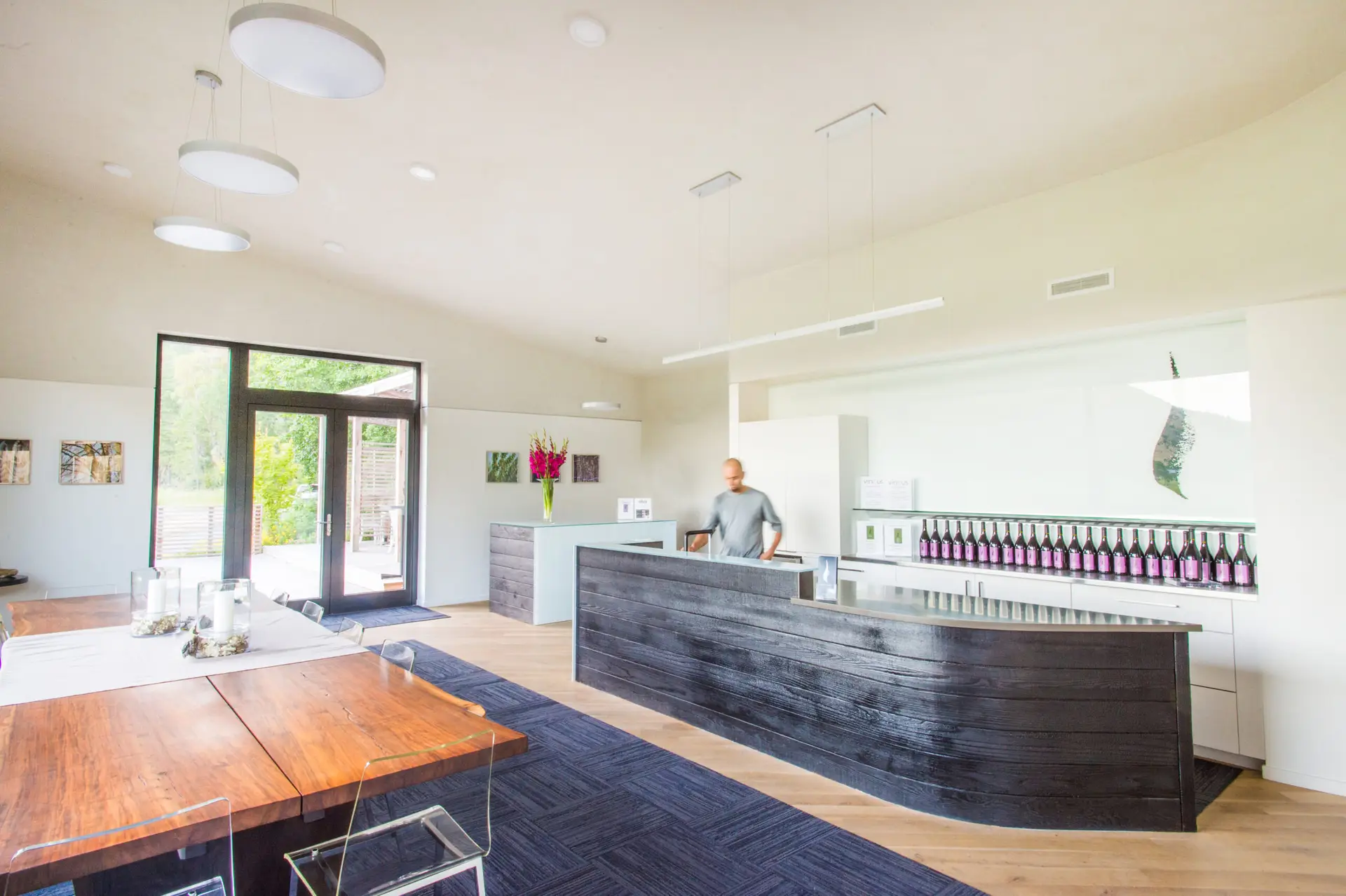
Even at relatively low concentrations, some air pollutants can contribute to health problems, including asthma, allergies and other respiratory conditions. At Green Hammer, we know that clean, fresh air is fundamental to human health. That’s why we design buildings to function more like healthy ecosystems, providing fresh air and clean water, conserving energy and minimizing exposure to harmful chemicals.
One of the benefits of this approach is that healthy buildings are often highly energy-efficient buildings. Many of the same strategies that improve indoor air quality, including airtight construction, high levels of insulation, high-performance windows and doors, and filtered ventilation, also reduce energy use and carbon emissions.
Here are some of the key strategies we incorporate into new construction and major renovations to support healthier indoor air and better building performance.
Address Air Leakage
When outside air enters a building through cracks and gaps in walls, roofs and floors, it bypasses the building’s filtration system and can carry dust, pollen, smoke and other pollutants indoors. During wildfire season, for example, fine particulate matter can infiltrate homes through these uncontrolled air leaks.
The solution is to create a carefully sealed building envelope and pair it with a well-designed ventilation system. Instead of allowing air to enter randomly through cracks and gaps, an airtight building gives us greater control over where fresh air comes from and how it is filtered.
On some of our Zero Energy projects, we’ve used PurpleAir sensors to compare indoor and outdoor air quality. These measurements have demonstrated how effectively a combination of airtight construction and filtered ventilation can protect indoor air from outdoor pollutants.
Airtight construction also dramatically improves energy performance. Reducing uncontrolled air leakage means a building requires less energy to heat and cool. It’s one of the fundamental principles of the Passive House standard, which combines an exceptionally well-insulated and airtight building envelope with high-performance windows and continuous ventilation to create buildings that are comfortable, healthy and extremely energy efficient.
Provide Continuous, Filtered Ventilation
Airtightness and ventilation go hand in hand. Once we reduce uncontrolled air leakage, we need to intentionally bring fresh air into the building and remove stale air and indoor pollutants.
Indoor pollutants can come from many sources, including cooking, cleaning products, furnishings and combustion appliances. Gas ranges and other gas-fired appliances can release nitrogen dioxide and other pollutants indoors. Choosing all-electric appliances eliminates combustion inside the home and can also reduce a building’s carbon emissions as the electrical grid becomes cleaner.
But even an all-electric home needs ventilation.
That’s why we typically recommend a dedicated heat recovery ventilator (HRV) or energy recovery ventilator (ERV). These systems function much like a building’s lungs: They continuously bring in filtered outdoor air while exhausting stale indoor air. At the same time, they recover much of the heat from the outgoing air, dramatically reducing the energy otherwise lost through ventilation.
In homes, fresh air is typically delivered to bedrooms and living spaces, while stale, humid air is exhausted from bathrooms and other areas where moisture and pollutants are generated. The result is a steady supply of fresh, filtered air without sacrificing energy efficiency or comfort.
 Choose Healthy Building Materials
Americans spend about 90% of their time indoors, according to the U.S. Environmental Protection Agency. That means the materials we put inside our homes and buildings can have a meaningful impact on indoor air quality.
Healthy material selection is an important part of our design-build process. Before recommending a material, we consider what it contains, how it is manufactured and whether there are healthier, lower-impact alternatives.
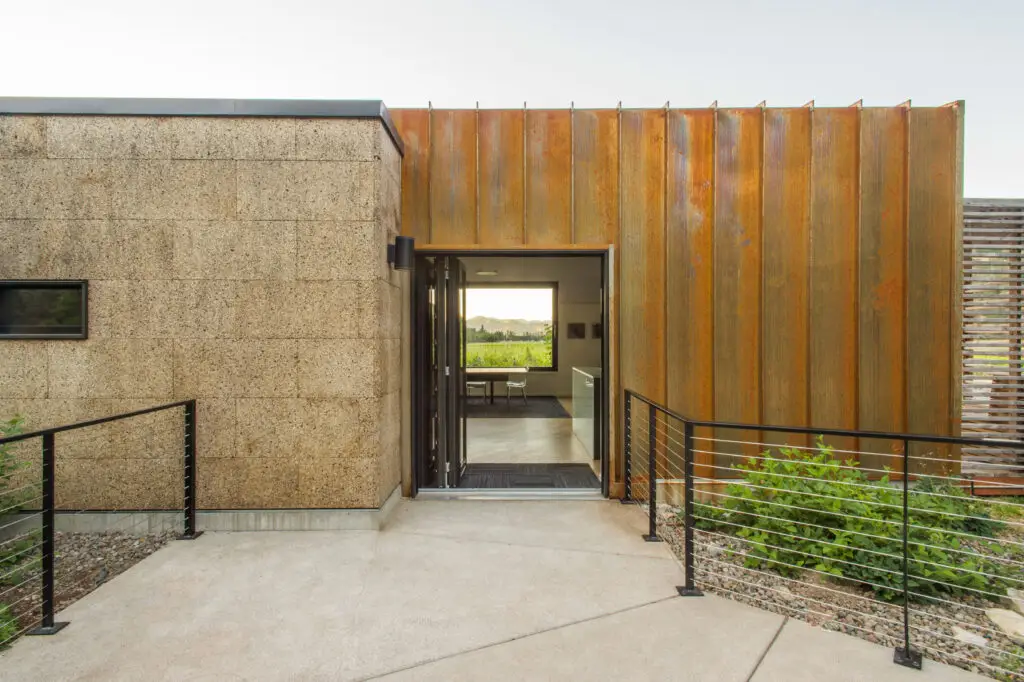
When building the Tasting Room at Cowhorn Vineyard & Garden, for example, we researched and documented the ingredients in more than 1,500 building materials as part of the project’s pursuit of Living Building Challenge certification. Materials such as cork, wood, glass and metal were selected in part for their simple, healthy ingredients. For products such as paints, adhesives and countertops, our team worked with manufacturers to obtain detailed ingredient information and identify products that met the project’s rigorous health standards.
The result is a building that considers not only how much energy it uses, but also what the people inside it are exposed to every day.
Healthy Buildings Are High-Performance Buildings
Healthy indoor air and energy efficiency aren’t competing goals. In many cases, they are two outcomes of the same thoughtful design decisions.
An airtight, well-insulated building with high-performance windows, filtered ventilation, all-electric systems and carefully selected materials can dramatically reduce energy use while providing a healthier and more comfortable indoor environment.
As communities work to reduce carbon emissions and prepare for challenges such as extreme heat and wildfire smoke, these strategies are becoming even more important. Buildings can do more than shelter us from the elements. Designed well, they can actively support our health, comfort and resilience.